
Reimagining Student Innovation
Turning a struggling campus competition into a launchpad for student ideas, careers, and connections.
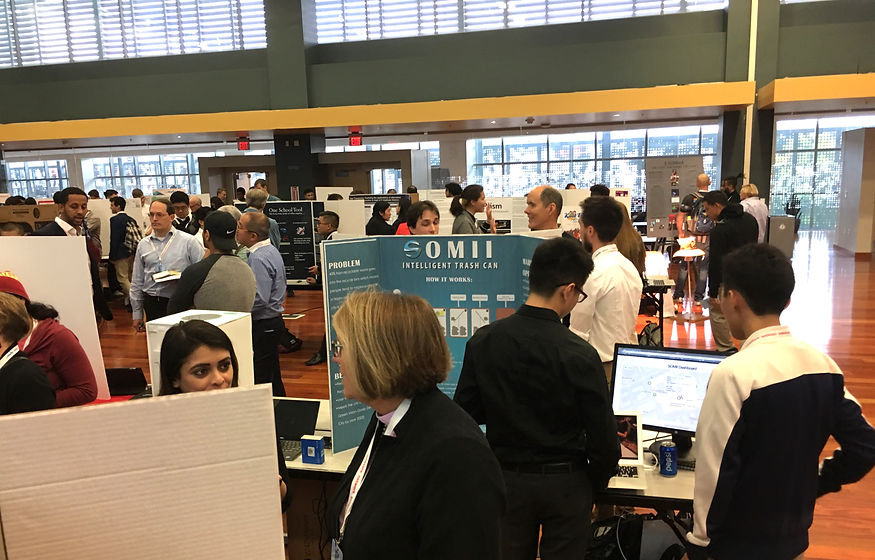
When I took over the Silicon Valley Innovation Challenge (SVIC), participation had hit an all-time low: just 17 entries. My goal was to make SVIC feel less like extra schoolwork and more like an opportunity students couldn't afford to miss.
I brought in executives, entrepreneurs, and hiring leaders from companies including Cisco, Intel, Microsoft, and Ericsson. I increased prize incentives, created pitch and networking workshops, and connected students with people who could help shape their careers. I also gave SVIC a complete visual refresh, from the logo and event identity to signage, badges, awards, and marketing materials.
The results were dramatic: 189 entries in my first year, followed by 200+ in the years after. Students weren't just competing for cash prizes; they were building ideas, making connections, and gaining the confidence to put themselves and their ideas out there.
After three years, I handed off a program that was stronger, more visible, and much more connected to the Silicon Valley community. Below are a few highlights.
Logo Design
I’m especially proud of the new logo design. Instead of relying solely on input from staff, faculty, or administrators, I engaged directly with the target audience—the students—to learn what resonated with them. Their feedback shaped every stage of the process, and the final logo we selected is innovative, forward-looking, and a genuine reflection of the ideas they shared during focus group conversations.


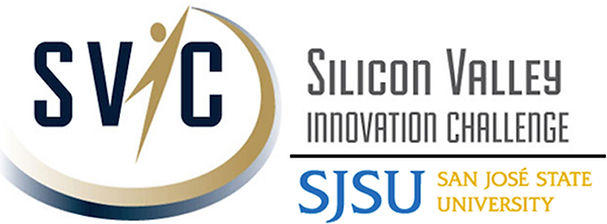
Former Logo
The former logo had several design challenges. From a visual standpoint, the swoosh was an overused design element and didn’t convey a fresh or innovative identity. In fact, during a focus group interview, one student remarked that it reminded her of her mother's exercise program, Jazzercise, which was founded in 1969. This observation that underscored how dated the mark felt. In addition, the logo combined the SJSU lockup directly with the event identity, which went against university brand guidelines. Best practice requires a buffer to clearly separate the university mark from any program or initiative identity.
Moments that Mattered
The details, design, and experiences that made SVIC more than a competition

Conversation Starters
Table tents with unique curiosity-sparking questions helped students, judges, and guests break the ice. The prompts encouraged genuine conversation and made networking feel approachable and fun.

Industry Connections
By collaborating with Cisco’s University Recruitment team, we helped create a space for students to connect with recruiters, explore career paths, and practice professional interactions in a safe, supportive environment

Accessiblility
The event was designed to be accessible to all student populations, allowing everyone to participate fully. This included a student with cerebral palsy who went on to win Best Social Innovation, highlighting the importance of inclusive design in fostering success.

Confidence
Pre-event student workshops helped participants fully prepare, from refining their ideas to practicing presentation skills. By the time of the showcase, students arrived in business or business-casual attire, looking confident and ready to shine.

"Robot" Judge
Innovation extended even to judging! One judge participated remotely using a robotic platform that let him navigate the showcase floor and interact with students via video, bringing a whole new meaning to ‘hands-on’ judging.

Community
Networking and community weren’t just for students. Judges had a dedicated space to deliberate privately while also connecting and collaborating with each other.

Note
Samples from my career as the SVIC director are included here to showcase my creativity and approach my work. Please respect the time and thought behind them by not copying, sharing, or reusing without my written permission. Thank you.